

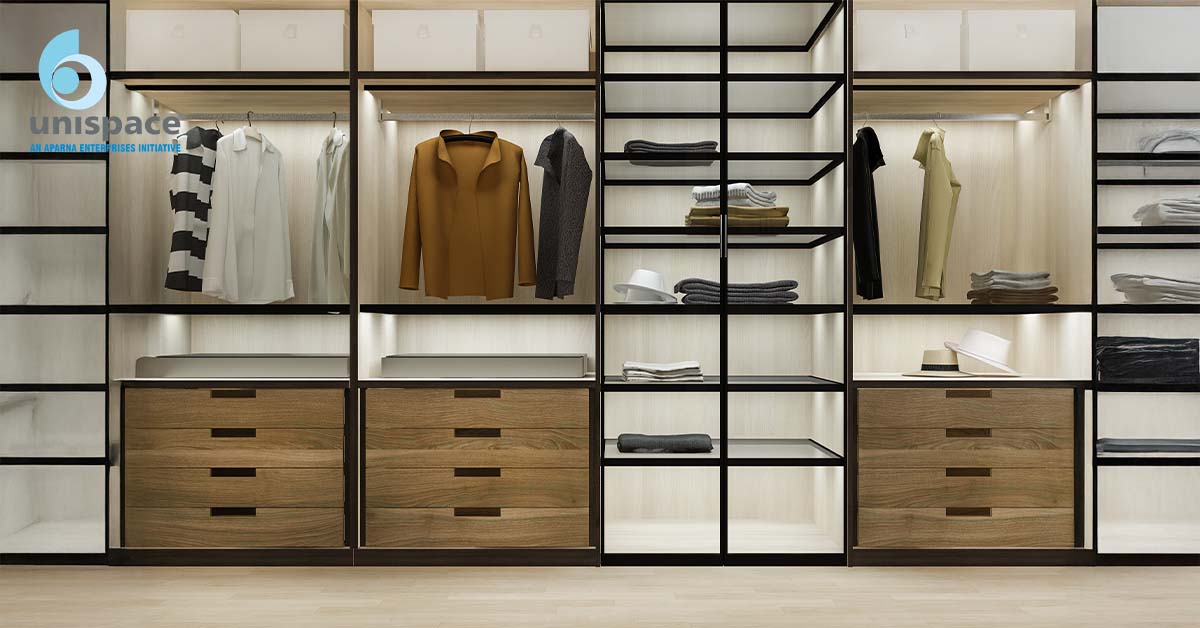
Wardrobe Design Options for Indian Homes
Modern wardrobes in Indian homes now serve as more than just storage units. The right design elevates everyday convenience while improving overall room aesthetics. Choosing the correct material, sliding mechanism, and interior layout plays a decisive role in both functionality and longevity. This breakdown explores what homeowners ought to consider before finalising their wardrobe plan.
Popular Materials That Shape Wardrobe Durability
Laminates
Laminates appear as the most dependable choice for most Indian households. They offer scratch resistance, cost effectiveness, and hundreds of finishes from matte to high gloss. Maintenance stays easy, which helps busy families.
Veneers
Veneers bring a natural wood look without the cost of solid timber. They offer rich textures and premium appeal, ideally suited for master bedrooms. They do require periodic polishing to retain the finish.
MDF and HDF
Engineered boards like MDF and HDF deliver smooth surfaces ideal for painted finishes or PU coatings. They function well when crafted by an experienced carpenter and used in low moisture areas.
Glass and Mirror
Glass shutters or full mirror doors assist in creating a visually larger room. Frosted, tinted, or lacquered options help blend with modern interior themes.
Solid Wood
Solid wood wardrobes provide unmatched longevity and a timeless appearance. They suit traditional Indian homes but demand higher investment and careful upkeep in humid regions.
Sliding Systems That Influence Convenience
Standard Sliding Doors
These run on top and bottom tracks, saving floor space and allowing easy access. They suit medium sized rooms where swing doors feel impractical.
Soft Close Sliding
Soft close systems improve safety and comfort by preventing sudden slams. They offer a smoother glide and are preferred for premium homes.
Telescopic Sliding
Telescopic or multi panel sliding doors allow wider openings even in compact rooms. These mechanisms enable seamless access to the full wardrobe width.
Pocket Sliding
Pocket sliders retract into a cavity, leaving the front completely free. They require additional planning during construction and work best in new builds.
Space Planning Elements That Optimise Everyday Use
Internal Layout
A balanced mix of hanging areas, shelves, drawers, and accessory units allows more organised storage. Adjustable shelves adapt well as clothing needs change.
Corner Wardrobe Solutions
L shaped and walk in corner designs ensure no dead space in the room. These concepts suit larger bedrooms or new home layouts.
Loft Storage
Lofts act as the perfect space for storing seasonal items, bedding, and luggage. They help keep the main wardrobe clutter free in smaller city apartments.
Pull Outs and Organisers
Tie racks, saree pull outs, shoe drawers, and jewellery trays enhance convenience. These additions strengthen the usability of the wardrobe daily.
Lighting
LED strip lighting inside the wardrobe improves visibility during early mornings and late nights. Motion sensors add a layer of comfort and energy saving.
Colour and Finish Coordination
The outer finish must align with the overall bedroom palette. Lighter tones create a spacious effect while darker hues inject a luxurious mood. Matte textures hide fingerprints better, while gloss finishes contribute a modern glow.
Wardrobe design in Indian homes depends heavily on lifestyle, room size, and long term usage expectations. Understanding material choices, sliding systems, and internal planning helps homeowners finalise a wardrobe that performs well for years without demanding heavy maintenance.